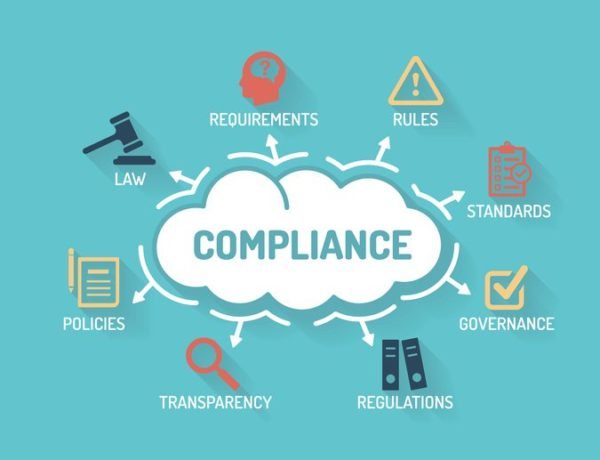
6 Essential Compliance Tips for Nonprofits: Keep Your Books in Order and Your Mission on Track
Managing a nonprofit organization is deeply rewarding — but it also comes with its share of financial responsibilities. Ensuring your books are accurate, compliant, and up to date isn’t just a best practice — it’s essential to maintaining donor trust, securing funding, and keeping your mission alive.
At EBS, we specialize in helping nonprofit organizations like yours streamline financial operations and stay audit-ready. Whether you’re just starting out or looking to tighten your existing processes, these six tips will help you build a stronger, more compliant financial foundation.
1. Develop a Comprehensive Financial Management Policy
A well-documented financial policy is your nonprofit’s roadmap for fiscal responsibility. It should outline:
-
How to record and classify transactions
-
Procedures for handling cash
-
Bank account management protocols
-
Reporting requirements and timelines
Establishing clear, consistent processes ensures everyone on your team is on the same page — and helps prevent errors and inconsistencies that can lead to compliance issues down the line.
2. Invest in the Right Accounting Software
Using accounting software designed for nonprofits can make a world of difference. These platforms are built to handle donation tracking, grant reporting, fund accounting, and other nonprofit-specific needs.
That said, many small and mid-sized nonprofits turn to QuickBooks Online due to its accessibility — and that’s perfectly fine. Just keep in mind: it’s not designed for nonprofits out of the box. You’ll likely need to implement some workarounds to get what you need from it. That’s all the more reason to pay attention to Tip #6.
3. Implement Strong Internal Controls
Internal controls aren’t just for large organizations — they’re critical for nonprofits of every size. Effective controls include:
-
Segregation of financial duties
-
Dual authorization for significant transactions
-
Regular bank reconciliations and audits
These practices reduce the risk of fraud, ensure data accuracy, and help protect your organization’s reputation and resources.
4. Review and Update Your Budget Regularly
Your budget shouldn’t be a set-it-and-forget-it document. Start each fiscal year with a detailed, realistic budget — then revisit it regularly. Compare actual performance to your projections and adjust as needed.
Regular budget reviews allow your leadership team to make informed decisions, adapt to funding changes, and avoid financial surprises.
5. Provide Financial Training for Staff and Board Members
Don’t assume everyone on your team is financially fluent. Offer training sessions to staff and board members that cover:
-
Budgeting basics
-
Financial reporting and interpretation
-
Use of accounting software
Empowering your team with financial knowledge fosters accountability, improves decision-making, and creates a culture of fiscal responsibility.
6. Consider Outsourcing Your Bookkeeping
Let’s be real — most smaller nonprofits don’t have the bandwidth or budget for an in-house finance department. Even if you have financially savvy board members, there’s still immense value in outsourcing your bookkeeping.
Working with a professional nonprofit firm, gives you:
-
Accurate and timely financial reporting
-
Compliance peace of mind
-
More time to focus on your mission
At EBS, we partner with organizations to provide the bookkeeping and accounting support they need to stay compliant and thrive.
Need Support with Nonprofit Financial Management?
You don’t have to tackle compliance and bookkeeping alone. At EBS, we’re here to help you build a system that supports transparency, accountability, and long-term sustainability.
Whether you’re looking to upgrade your software, refine your financial policies, or offload your bookkeeping entirely — let’s talk. We’ll help you keep your financial house in order so you can focus on what matters most: changing lives and strengthening communities.